

Our Impact

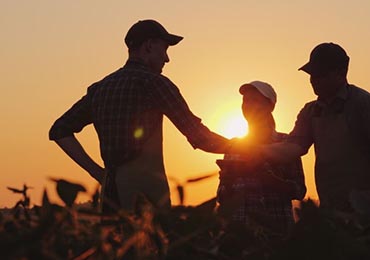
Traditionally when a farmer was looking to expand, they did so by finding the cheapest land possible.

In the past, particularly before 2020, farmers often would clear virgin forests through large-scale clearing methods to make way for their fields. Before new legislation was enacted, there were few methods of stopping this pattern. Based on current laws and government oversight, aggressive deforestation is illegal. Farmers are still entitled to clear native vegetation
in the Cerrado as long as they maintain 20% of legal reserves.

Land that had been previously cleared for grazing and is often still used for that purpose is usually a middle ground between productive land and virgin forests.

Often this land was either used as grazing for cattle temporarily and the farmer moved on or a farmer attempted to clear the land and make it productive but was unable to do so due to lack of capital. This degraded pasture is not as inexpensive as native vegetation-covered land and not as expensive as fields prepared and ready for planting. It also does not take as long to prepare for planting as a virgin forest. Degraded pastures are at the center of our thesis. They are underutilized swaths of land that, with the right incentives, can help deter farmers from using virgin forests and turning them into fields. We now know that by employing some sustainable techniques by planting and harvesting on these parcels, they can actually sequester more carbon, trap more humidity, help feed the world, and increase profit margins for farmers, than if left alone to further decay. Food and water shortages are a reality and this can be a major piece to the puzzle toward a solution.

Sustainable Techniques

AgDev believes that by acquiring this degraded pasture and by applying sustainable practices this soil can be turned into fertile and highly productive land.

AgDev via Carroll Family Farms is knowledgeable and already employs some techniques in their current farms, including crop rotation, cover crops, and no-till farming. The opportunity to acquire land in these conditions at these prices and with long-term financing will have a positive impact on other farmers in the region. There are more pastures in the area which will attract other farmers to seek out investment opportunities similar to this one. Not only does our program seek to reduce deforestation, but it also seeks to improve agricultural practices to become more sustainable, as well. In doing so, soil health is improved, water quality is managed, and farmers are able to do more with their land. These activities and through focusing on degraded pasture can also help to reduce the carbon footprint of agriculture in the Cerrado region.

Gêneros de Financiamento para o Agronegócio

Mercados de Capitais

O financiamento é competitivo em termos de prazos e estruturas, porém ainda se encontra em estágio inicial de desenvolvimento.

Bancos

Seu foco gira em torno de capital de giro com um prazo limite geralmente curto e taxas altas.

Cooperativas
de crédito agro

Apresenta uma linha de crédito competitiva, mas com volumes reduzidos.

Indústria

As operações por meio de barter são caras, com prazos muitos reduzidos e apresentam pouca transparência para o produtor em relação aos jutros embutidos.
Crédito Subsidiado

Os recursos controlados no agronegócio são insuficientes devido à deterioração do ambiente fiscal no Brasil. Isso resultou na redução proporcional das subvenções do crédito agrícola subsidiado em relação à carteira total de crédito rural. 
Opex

No Plano Safra, metade dos recursos liberados é direcionada para o custeio das atividades agrícolas. Além disso, há opções de recursos livres oferecidos pelos bancos com o prazo do Safra. Outra alternativa é o sistema de barter, em que a indústria financia a compra de insumos com prazo do Safra. Embora as taxas embutidas nos preços dos produtos sejam as mais altas do mercado, a aprovação é extremamente rápida.

Capex

O Plano Safra oferece recursos subsidiados, destinando aproximadamente 30% do montante vai para o investimento. Por outro lado, os recursos livres são disponibilizados pelos Bancos com taxas de mercado e prazos de até 5 anos — geralmente são limitados a clientes com histórico e relacionamento prévio.

Promoting sustainable development in Brazilian agriculture

Explore

Contact

(xx) xxxxx-xxxx
loremipsum@agdev.com.br
Alameda Santos, 1827 conjunto 112 Jardim Paulista São Paulo – SP 01419-002
Edifício Boullevard - Av. Paraíso, 540 - Salas 1 e 2 - Jardim Paraiso Fase I, Luís Eduardo Magalhães - BA, 47850-000